
































































Tuning guide: BMW M50, M52 and M54
BMW Tuning – Your Guide to Tuning BMW M50/M52 Engines
Below you’ll find a comprehensive guide to tuning BMW M50, M52, and M54 engines. This guide covers the essential tuning parts you need and highlights common pitfalls to watch out for. Feel free to contact us anytime if something needs correction or additional information.
Also take a look at our other BMW tuning parts.
Do you have all the correct parts for your turbo setup?
Many people wonder whether they have everything required to install a new turbo on their car. If you’re unsure, here’s what you can do:
- Create a login on the website – so you’re registered as a customer.
- Add all the items you think you’ll need (or are unsure about) to your shopping cart.
- Send an email to us from the registered email address with your questions. This allows us to review the parts you’re asking about, check for anything missing, and suggest/add components if necessary.
Decide on your target horsepower before you start tuning
It’s always smart to decide on your desired horsepower level before beginning any modifications. For example, are you aiming for 250 hp or 350 hp? There can be a substantial difference in cost and required parts between these levels.
This decision is especially critical with M52 and M54 engines, which are not as robust as the M50. We recommend a maximum of 350 hp on M52/M54 engines (aluminum block) – this assumes a reinforced Athena head gasket and ARP head studs on at least a 2.5L engine. While some have reached 450 hp with forged pistons and rods, we cannot safely recommend it due to the risk of block cracking. Note: On M54 engines the oil pump bolt tends to loosen – secure it with a weld or center punch. The threads in M52/M54 blocks do not tolerate repeated torquing and will strip; therefore ARP support studs are essential. The M52/M54 crankshaft is very strong and can also be used in an M50 block for very high power levels.
Flow Test: M50 vs M52 Intake Manifolds
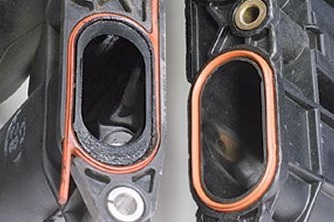
Below you can see the M52 intake manifold (left) and M50 (right). The M50 intake flows significantly better and can easily be swapped onto an M52 engine. A flow test comparison is also shown.
| M50 | M52 | |
|---|---|---|
| cyl 1 | 284 cfm | 188 cfm |
| cyl 2 | 276 cfm | 191 cfm |
| cyl 3 | 288 cfm | 201 cfm |
| cyl 4 | 288 cfm | 195 cfm |
| cyl 5 | 276 cfm | 194 cfm |
| cyl 6 | 284 cfm | 191 cfm |
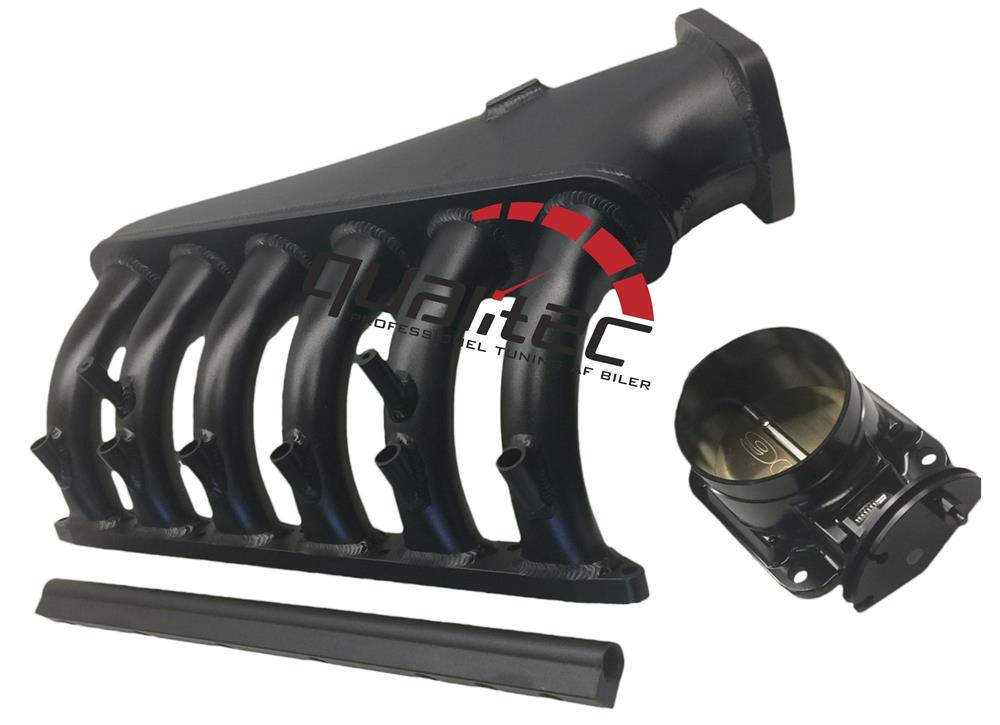
We offer a custom high-flow intake manifold for BMW M50/M52/M54 engines, featuring internal trumpets in the plenum for superior airflow.
BMW Intake Manifold – High Flow
An M50 engine with a reinforced head gasket and ARP studs can safely run 1.1 bar boost (~420 hp). The cast-iron M50 block is an extremely robust platform – power outputs exceeding 1000 hp have been achieved on this block.
Supercharger Kit or Turbo Kit – Which is right for you?
You have two main forced-induction options: supercharger or turbo. Opinions vary widely, but here’s our take:
A supercharger kit is a great choice if you’re not chasing extremely high power. Installation is usually simpler (belt-driven), though it does consume some crankshaft horsepower. The main advantage is earlier boost onset in the rev range. If ease of installation/removal is important, it’s an excellent option.
A turbo kit is more involved to install (requires turbo manifold, downpipe, oil feed/return lines, piping, etc.), but because it’s exhaust-driven it typically produces more power at the same boost level.
Rule of thumb:
• High horsepower goals → go turbo
• Moderate power, easy/affordable install → go supercharger
Below we take a closer look at turbo tuning:
Choosing a Turbo Manifold
We offer several options:
Cast-iron log-style manifolds place the turbo low and rearward in the engine bay – proven, affordable, and widely used. Because of the low position we often recommend an electric oil return pump.
For maximum flow and high-horsepower builds, choose a top-mount manifold. We strongly recommend adding a support brace between the turbo flange and engine block to reduce vibration when the manifold is glowing red-hot. Most of our manifolds use 3 mm thick tubing.
When installing any new manifold we also recommend new studs, copper nuts, and HEICO-lock washers to prevent loosening under load.
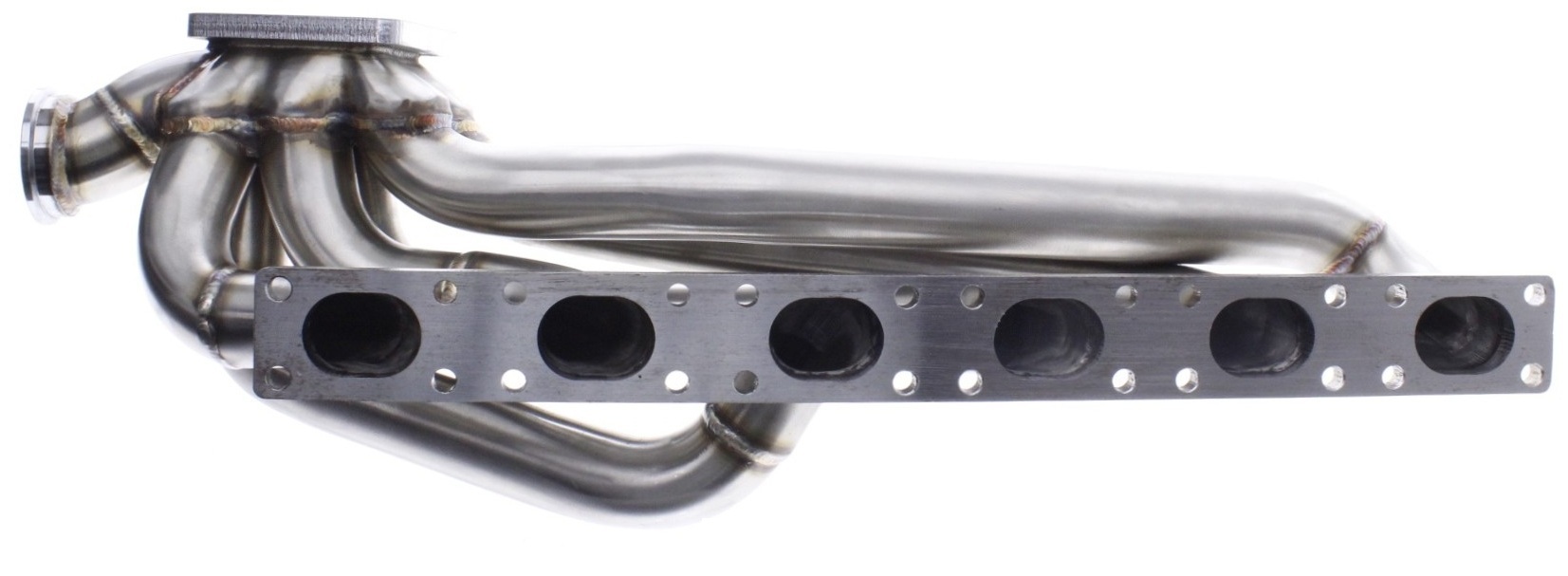
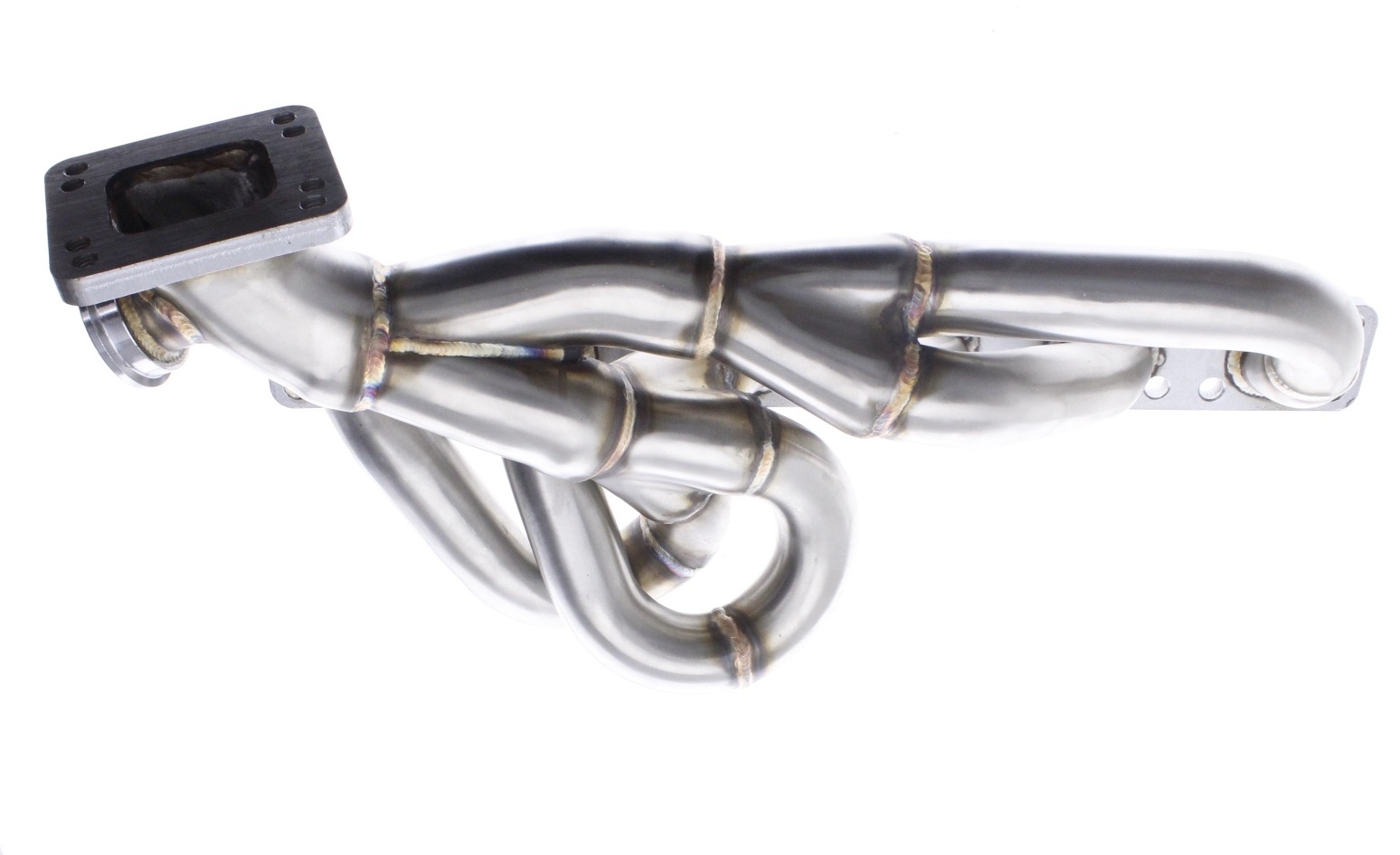
Topmount Turbo Manifold V1 – M50/M52/S50/S52/M54 – Best seller – pairs excellently with e.g. Pulsar 3584.
Topmount Turbo Manifold V2 – M50/M52/S50/S52/M54 – Another premium top-mount option
Cast Iron Turbo Manifold – Slightly more difficult fitment due to space constraints
Oil Return Pump – Required with cast-iron manifold
Support Studs & Copper Nuts for Exhaust & Manifold
HEICO-Lock Washers
44/45 mm Wastegate
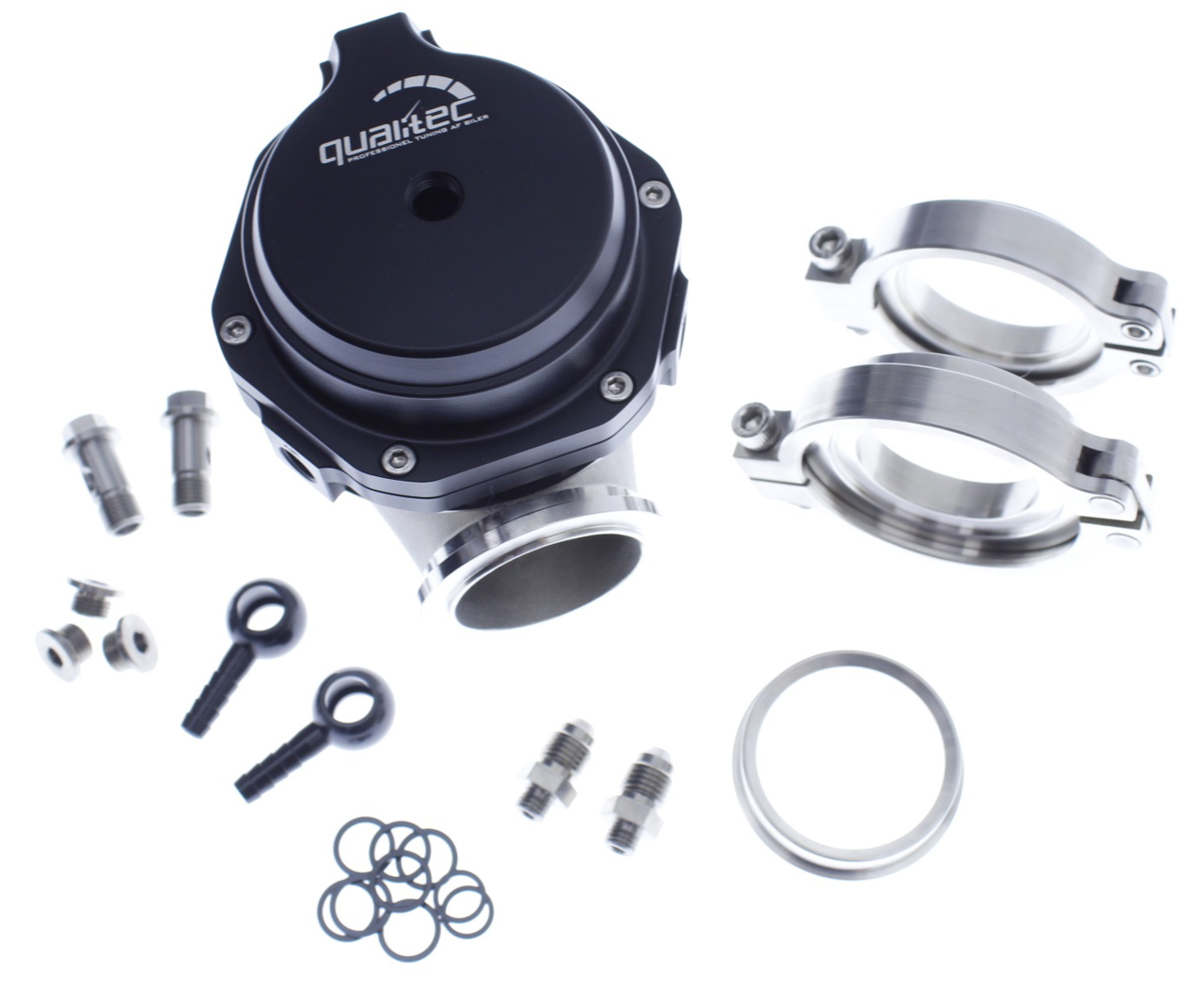
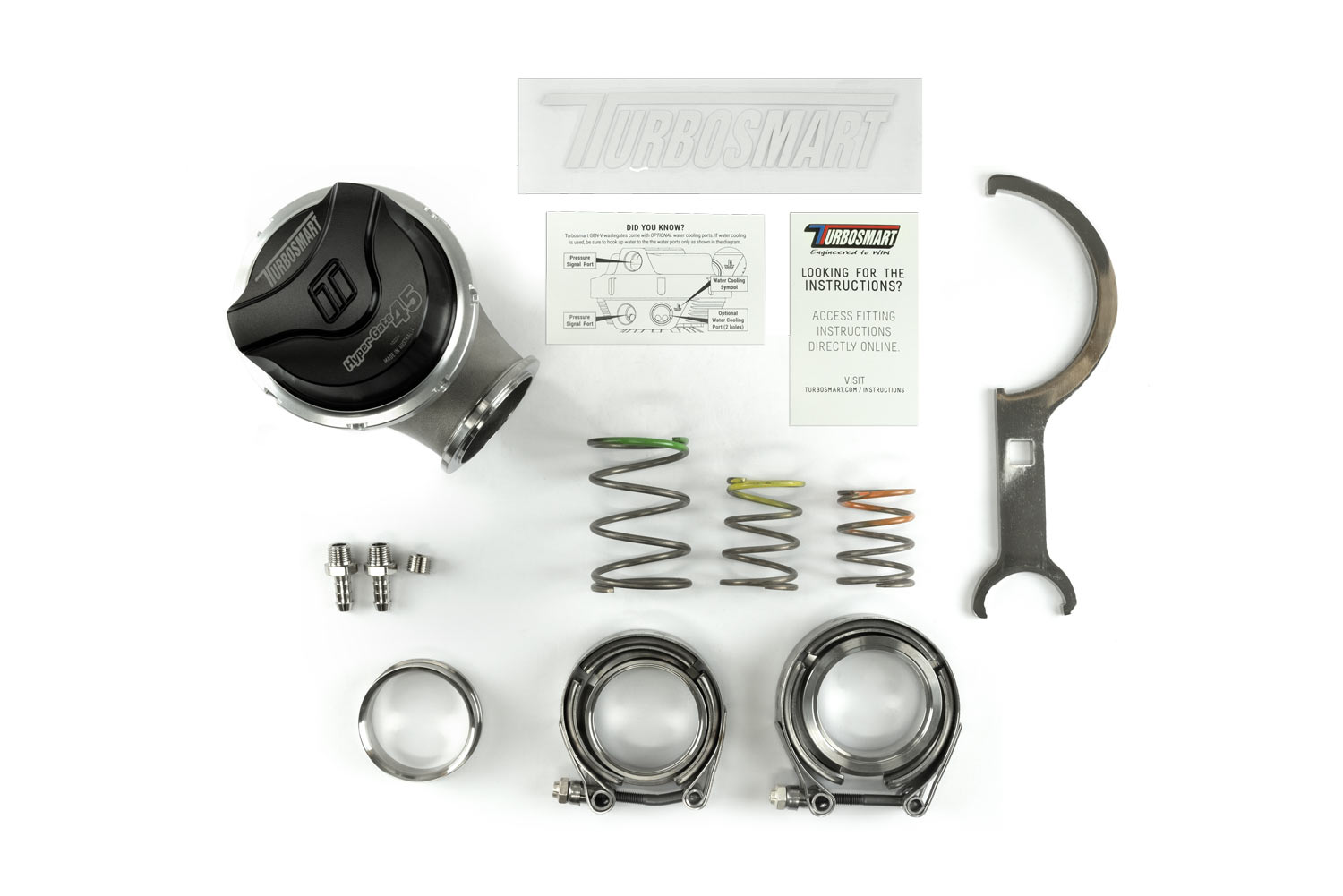
For the manifolds listed above we recommend a 44–45 mm wastegate.
Our own Gold Line 44 mm wastegate has been extremely popular and reliable. We can also supply Turbosmart and other premium brands at competitive prices.
Gold Line 44 mm Wastegate – Top seller
Turbosmart 45 mm HyperGate – 1 bar spring, highest quality
Turbocharger – Don’t Choose One That’s Too Small!
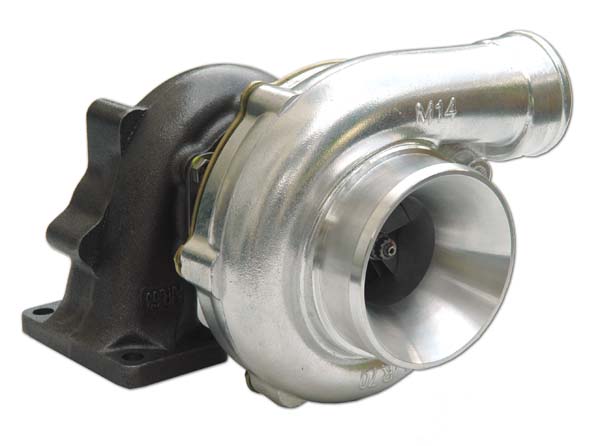
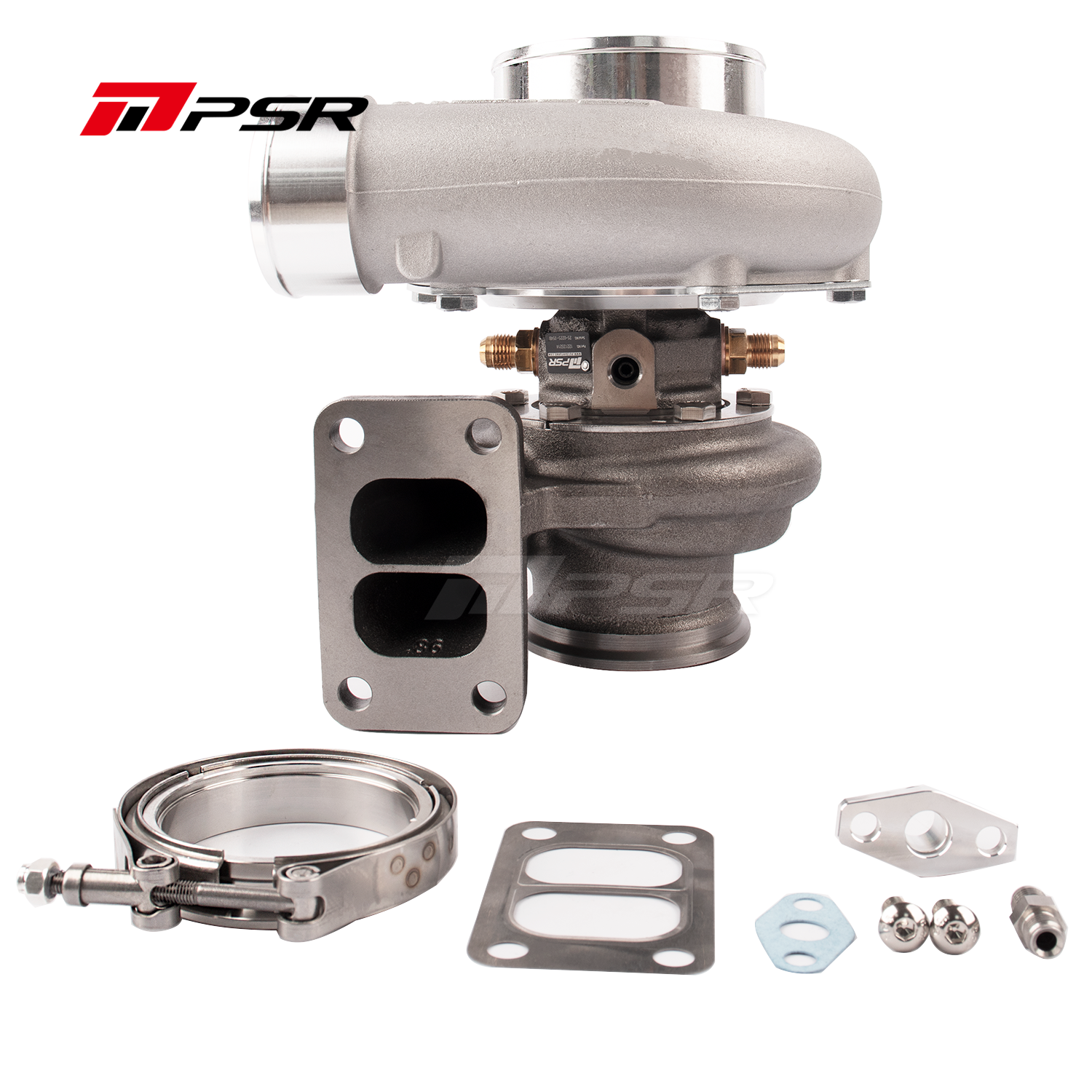
Normally people recommend checking compressor maps and flow charts to select the right turbo. But in 99% of cases, once you hit your initial power goal, you’ll want more. It’s frustrating to be stuck with an undersized turbo. If you’re drifting, you also want strong top-end power and lots of revs for smoke. For ~350 hp we strongly recommend a T3/T4 turbo – it can deliver 400+ hp and gives headroom to turn it up later. To keep heat away from the engine bay, fit a turbo blanket on the hot side – it also helps spool faster. When buying a turbo from us we’ll make sure you get the correct fittings and oil lines – we guide you through it.
Pulsar 3584 Turbo – Our top recommendation – highest quality at a sharp price
T3/T4 Turbo for ~400 hp – Great up to 400 hp, includes internal wastegate
GT35 Turbo for ~500 hp – Affordable and perfect for 2.5L engines targeting ~500 hp
Turbo Blanket – Heat shield for the hot side of the turbo
Oil Feed Kit – Includes feed line – remember to add adaptor (typically M12x1.5)
Oil Return Line Kit – For top-mount (use 1/2" NPT tap in block)
Water Connection Kit – For turbo water cooling lines
AN Fittings – For custom oil and water connections to turbo
Fuel System – Injectors and Fuel Pump
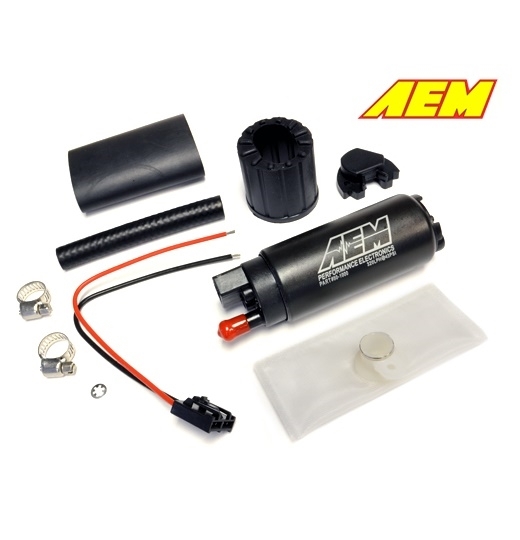
It’s critical to build a fuel system that can supply plenty of fuel. Don’t build one that’s only good for 105% of required flow – there’s no margin for wear or age. Most stock BMW in-tank pumps handle ~300 hp. For higher power we recommend upgrading to one of our 500+ hp pumps. The pumps we link below are very easy to install – remember to buy flex fuel hose for in-tank use.
Fuel Pumps – Choose from GSS340, GSS341, GSS342, AEM 50-1000, 50-1200, 50-1220. For very high power consider Walbro Hellcat 525 LPH (900+ hp capable).
Flex Fuel Hose – In-tank flex hose (required instead of stock lines with aftermarket pumps)
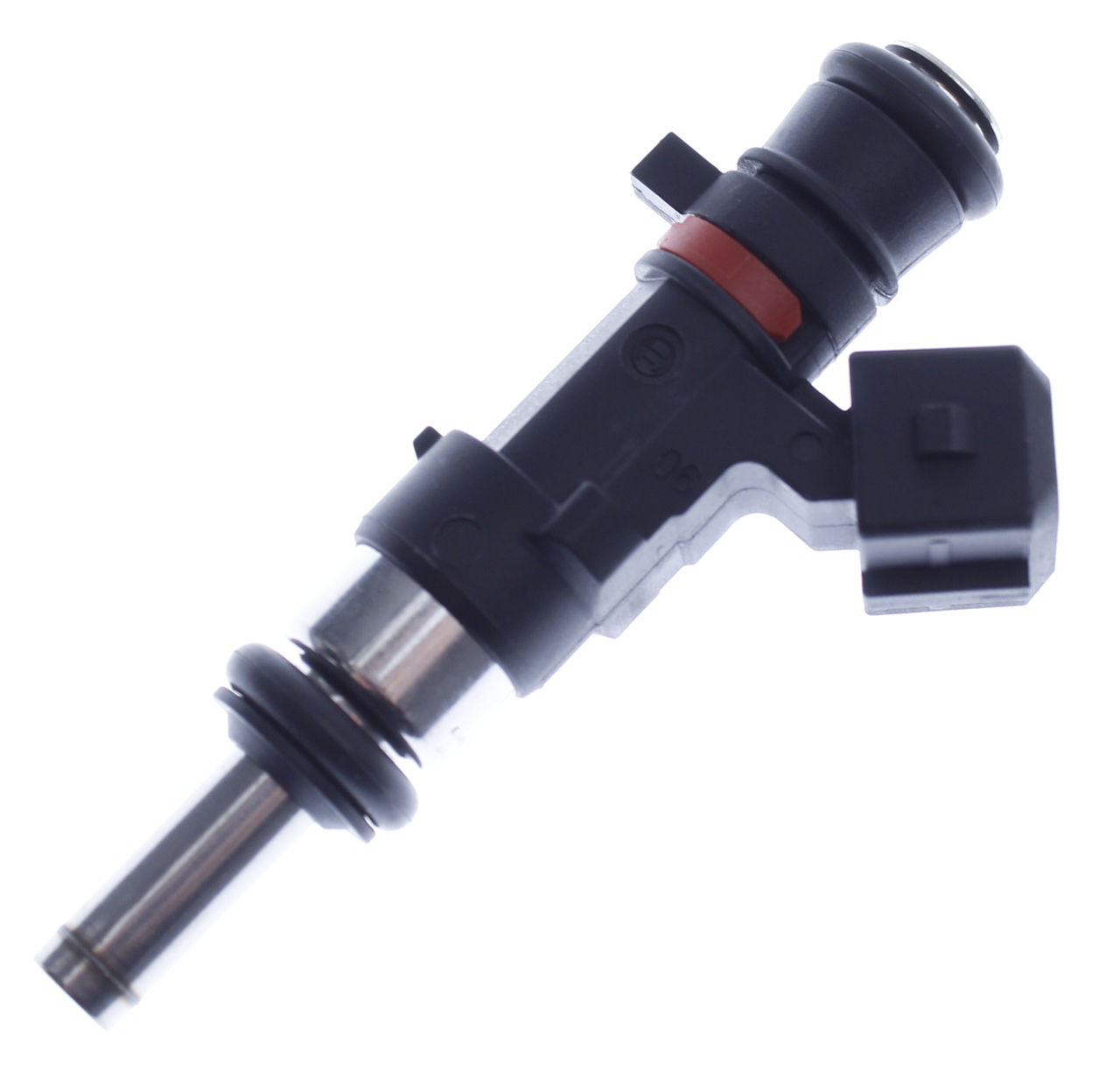
For injectors see our Injector Sizing Guide. Common choices for up to 500 hp are Bosch 630cc or Siemens 630cc (high-impedance, works with all ECUs). They run slightly rich at idle – popular for drift/motorsport. For street use consider Bosch 465cc, Holley 441cc or Holley 504cc (~380–400 hp capable).
Fuel Injectors – See all available models
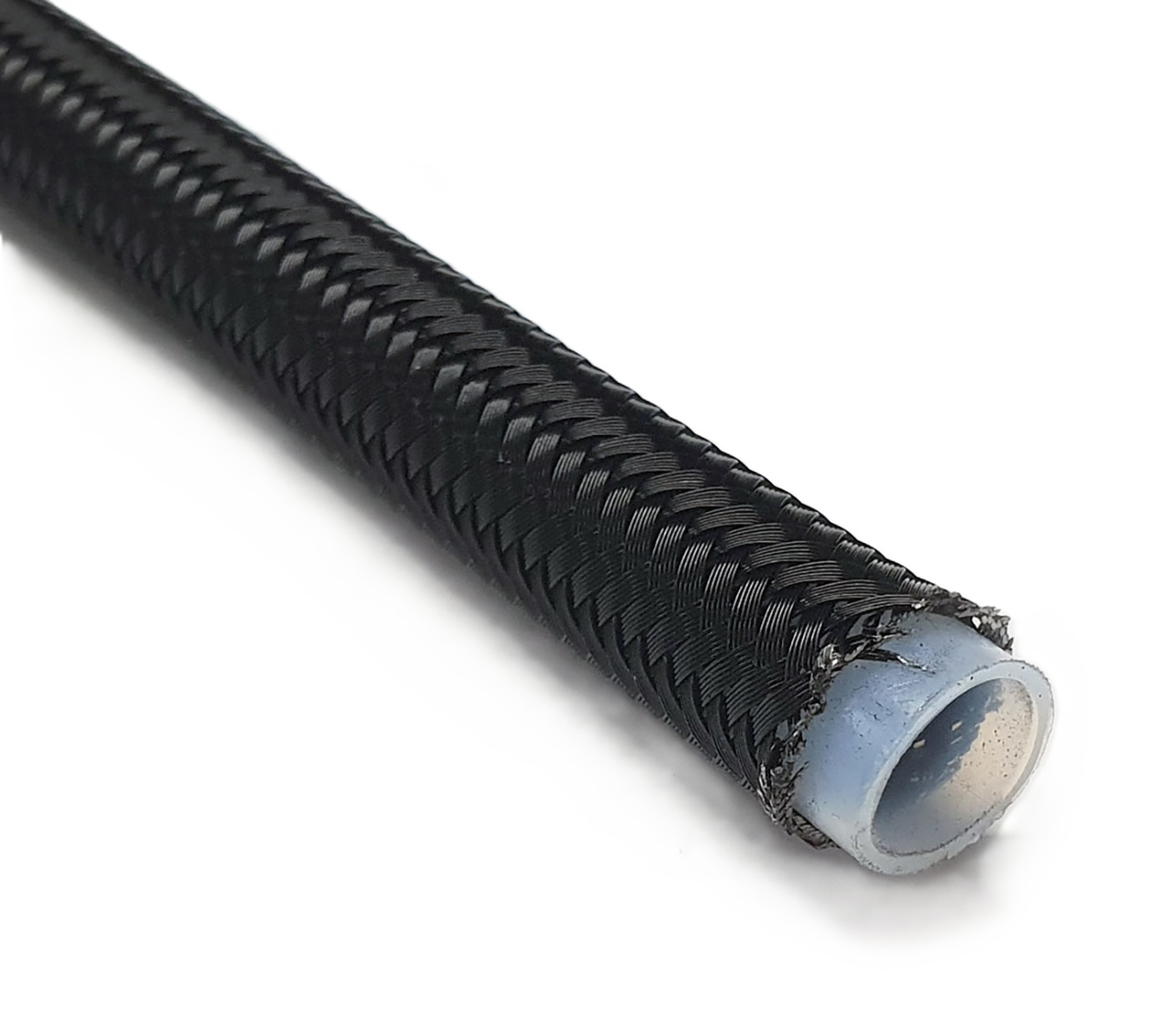
Stock fuel lines, regulator, etc. max out around 500 hp. Above that upgrade to 10 mm ID lines, preferably PTFE (handles ethanol and all modern fuels).
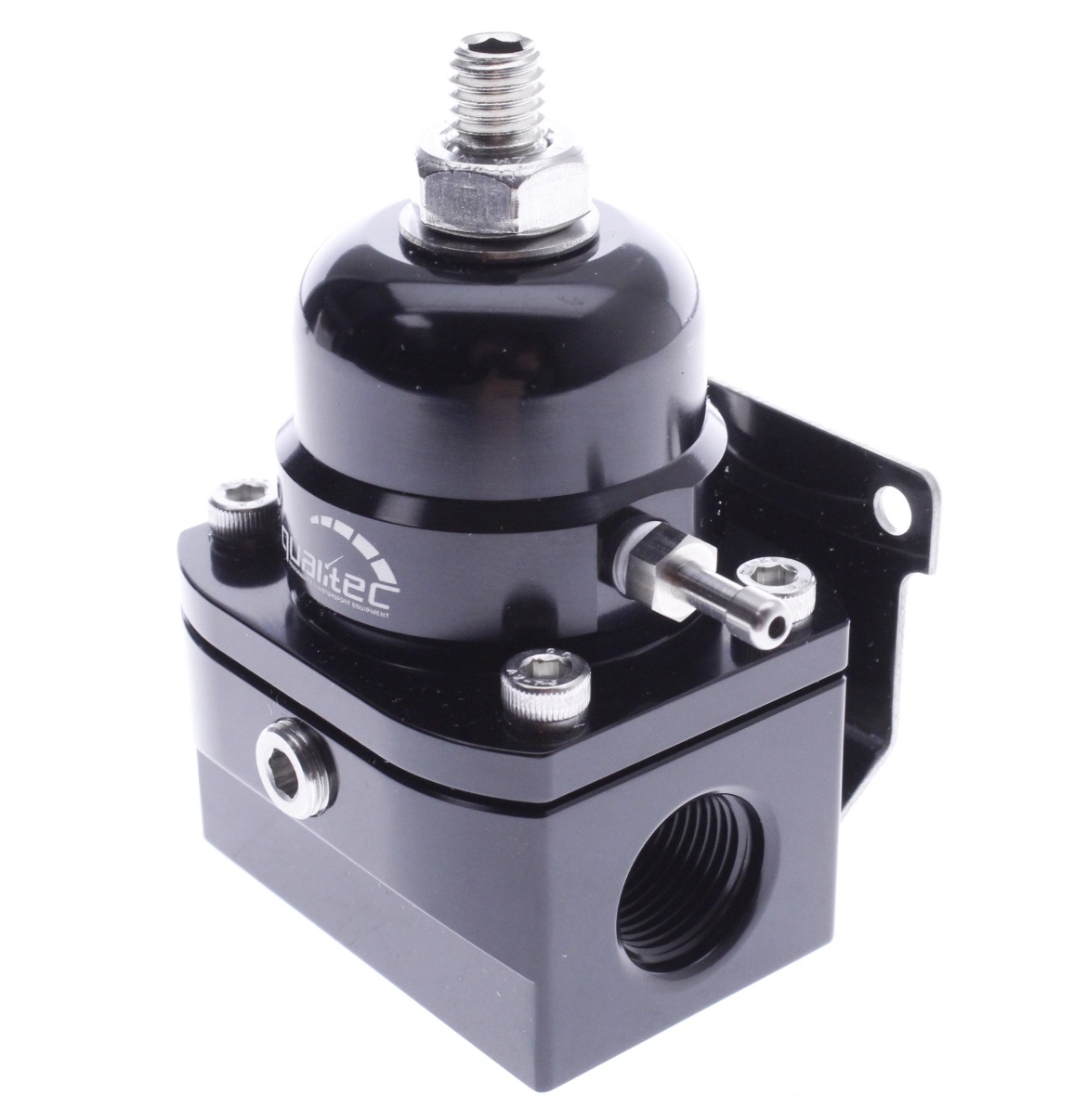
Adjustable Fuel Pressure Regulator – Mounts directly in fuel rail (max 500 hp)
A1000 Adjustable Regulator – Top seller for 500+ hp universal setup
Fuel Pressure Regulators – All models
Fuel Lines – Everything you need
Ignition System – Spark Plugs & Coils
BMW’s stock ignition is decent and can handle up to ~1 bar boost. Beyond that many experience spark blow-out. We recommend upgrading coils for a stronger, faster spark – this improves combustion stability and reduces misfires/detonation. Always use colder spark plugs to avoid hot spots and pre-ignition.
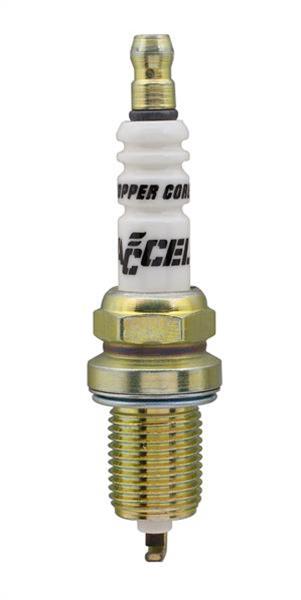
ACCEL Turbo Spark Plugs – Cold plugs widely used in drift and motorsport
Spark Plugs – All available options
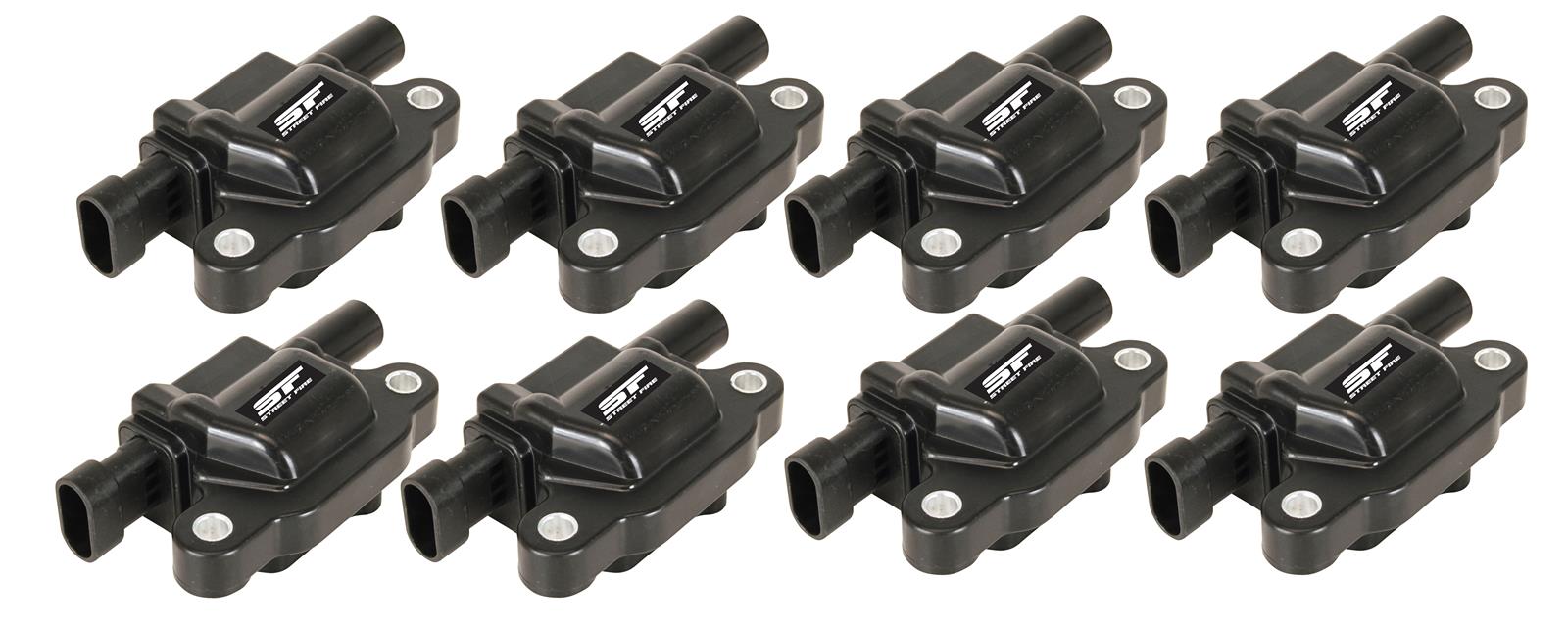
Bosch TFSI Coils – Extremely strong spark
MSD / AEM / Holley Coils – For the ultimate ignition setup
Head Gasket & ARP Head Studs – Up to 1.1 bar Boost
Stock engines can handle ~0.6 bar boost. With ARP head studs and a reinforced gasket (e.g. Athena MLS or Cometic steel) you can safely run 1.1 bar. We prefer multi-layer steel (MLS) gaskets with fire rings – they’re more forgiving if the block/head isn’t perfectly flat. Planing is still recommended. Some have pushed higher boost without upgrades, but we don’t recommend it unless you’re prepared for engine failure.
ARP Head Studs – Much stronger than stock (stock studs stretch)
ARP Main Studs – For main bearing caps
Cometic Steel Head Gasket – Commonly 2–3.5 mm thick
Athena MLS Fire-Ring Head Gasket – Top seller for M5X engines


Engine Internals – Forged Pistons, Rods & Turbo Cams
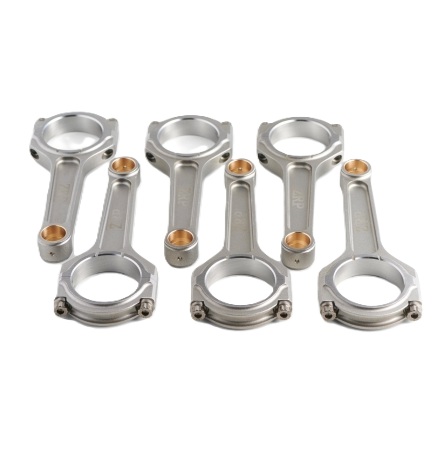
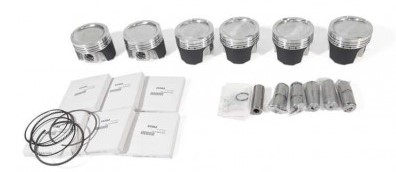
For more than ~420 hp on M50 (or >350 hp on M52/M54) the engine must be built with forged pistons and H-beam rods. We have great experience with JE and Wiseco pistons, and high-quality affordable H-beam rods (130 mm & 135 mm lengths) with ARP/SPA bolts.
To fit a 2.8L crank in a 2.5L block use 2.5L pistons + 130 mm rods. Stroke difference is 9 mm (4.5 mm per end) – compression will drop slightly unless block/head is decked.
ZRP I-Beam Connecting Rods – Excellent quality
Forged Pistons for Turbo M50/M52
Turbo Camshafts – Race cams for up to 800 hp
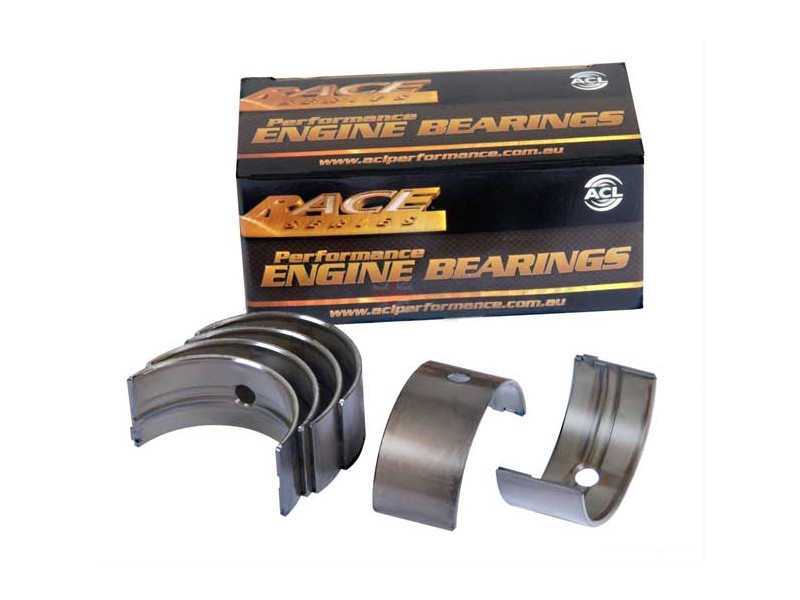
ACL Main Bearings – Performance bearings
ACL Rod Bearings – Essential for high power
Exhaust & Downpipe
No true plug-and-play full exhaust systems exist due to fitment complexity on E36/E46. You’ll likely need to fabricate your own downpipe. Wrap it with heat wrap to keep engine bay temperatures down.
GT35 3" Flange – Common on GT35 turbos – remember gasket
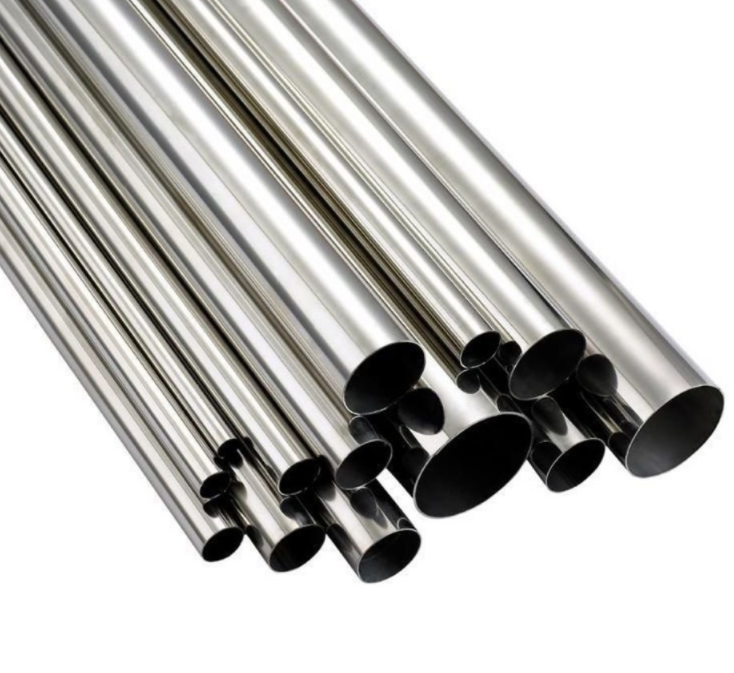
Stainless Steel Tubing – For custom exhaust/downpipe
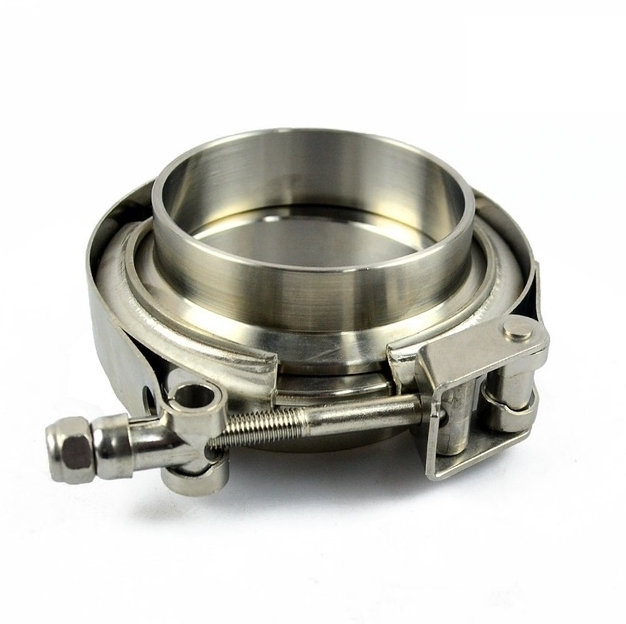
V-Band Clamps – Strong, leak-free connections
Exhaust Heat Wrap – Highly recommended
Exhaust Components – Build your own
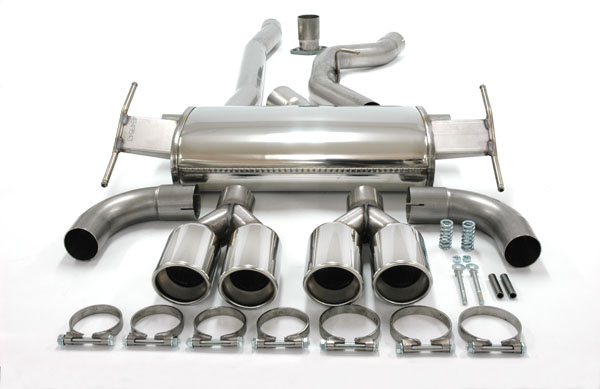
Simons Catback Exhaust – Great stainless value
Custom Exhaust Fabrication – We can build one for your car
Intercooler
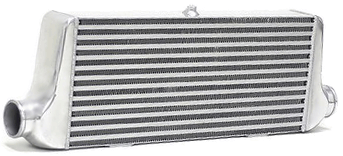
There’s usually good space for a large intercooler and piping on E36/E46. Choose one sized for your target power – both options below fit with minor adaptation.
Intercooler for ~500 hp – Our top seller for BMW turbo builds
Intercooler for ~600 hp – Larger, excellent efficiency, needs more space
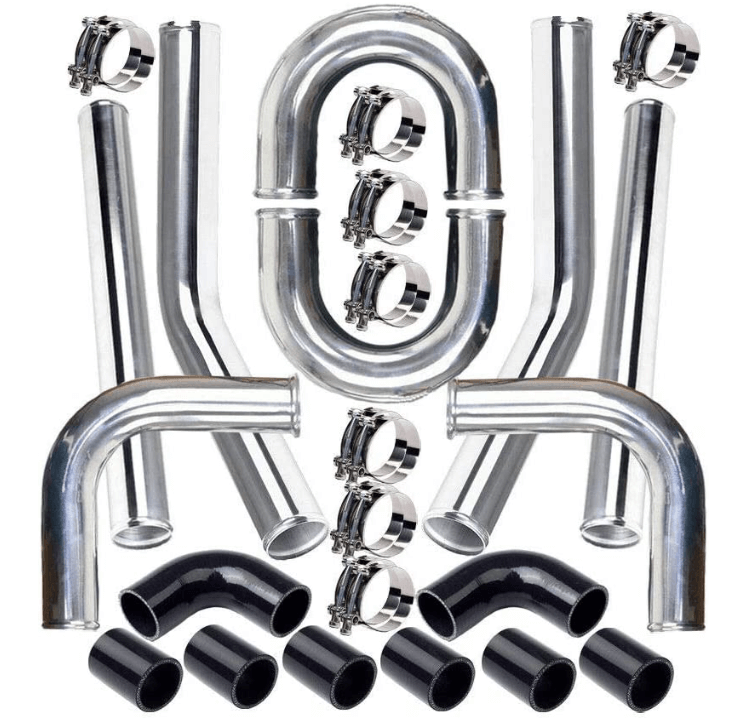
Intercooler Piping
Choose between stainless or aluminum piping. Stainless is heavier but easier for most TIG welders. Aluminum is lighter but requires aluminum welding skills. We also offer pre-bent aluminum pipe kits that use silicone couplers only.
2.5" is usually sufficient below 500 hp; 3" for higher power.
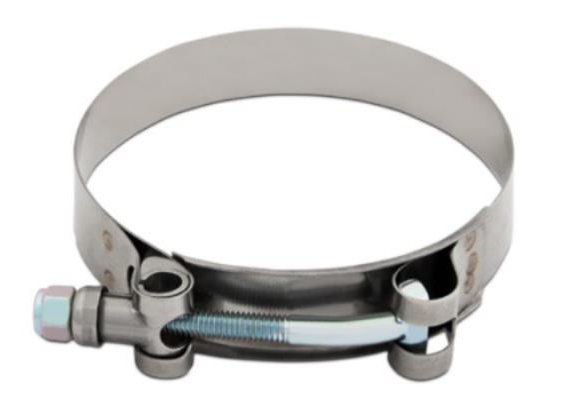
Intake Hose & Air Filter
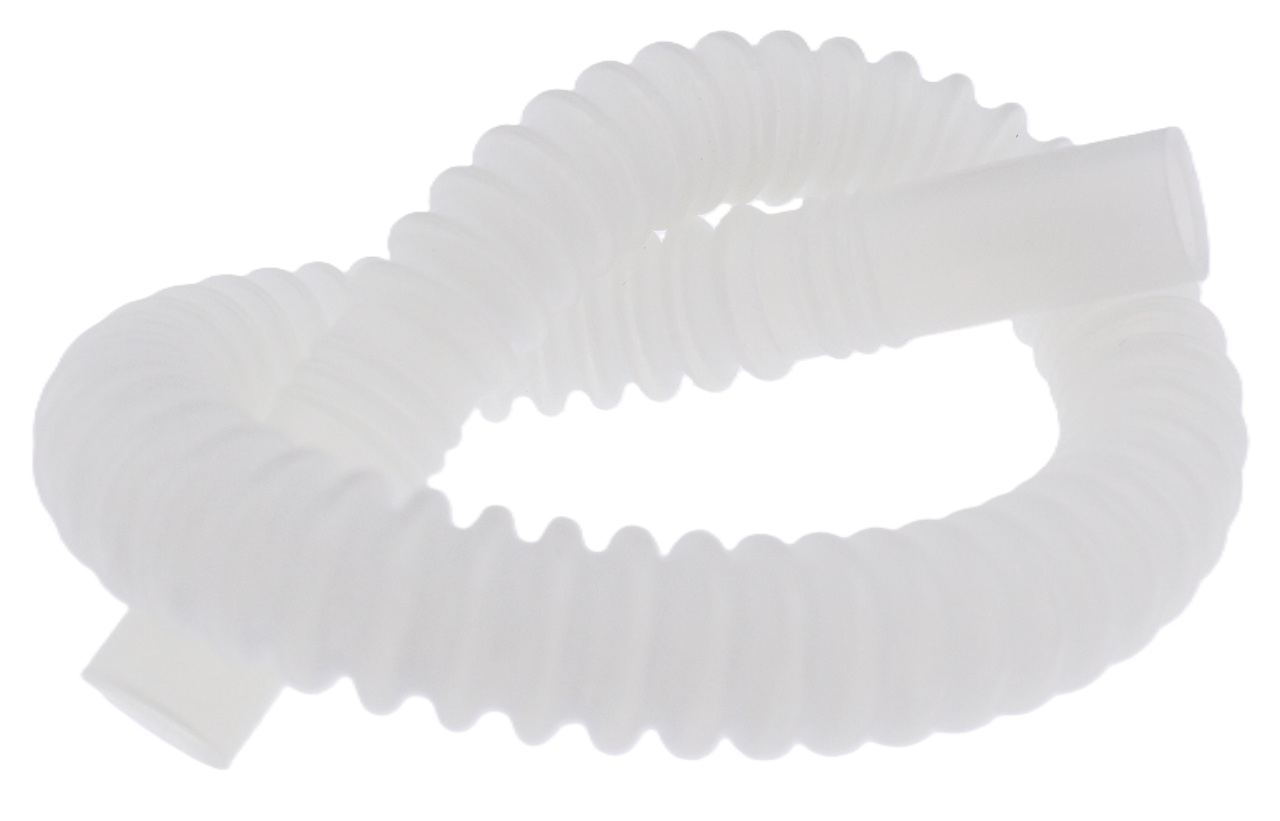
The turbo needs a good air supply via silicone hose and filter. We recommend a 90° silicone elbow at the turbo inlet + filter. Use 3" for T3/T4 turbos and 4" for GT35/T70.
4" K&N Clamp-On Filter – Top seller for top-mount turbo builds
Air Filters – K&N, HKS, Apexi etc.
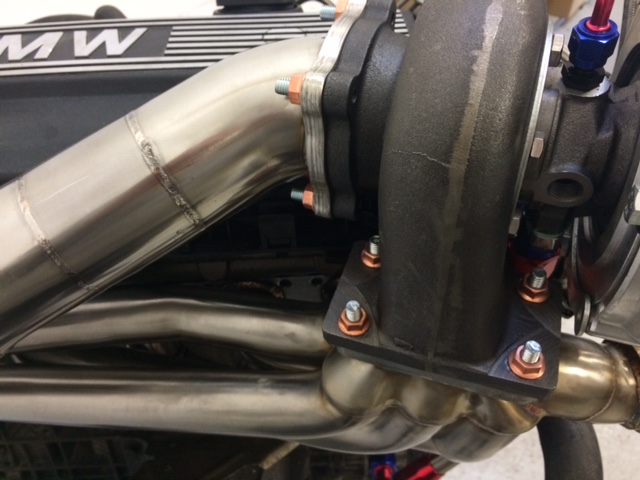
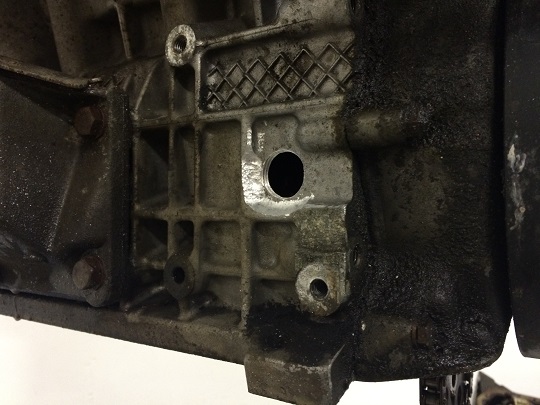
Return line uses blue/red AN fittings – AN10 (~14.5 mm ID) is minimum correct size.
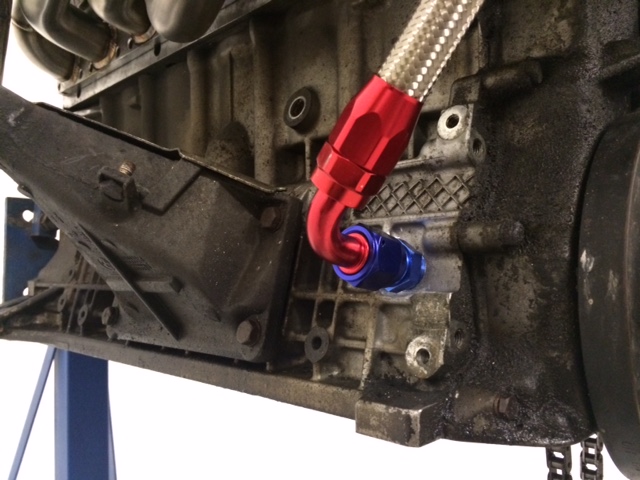
Return line viewed from below (turbo/manifold side).
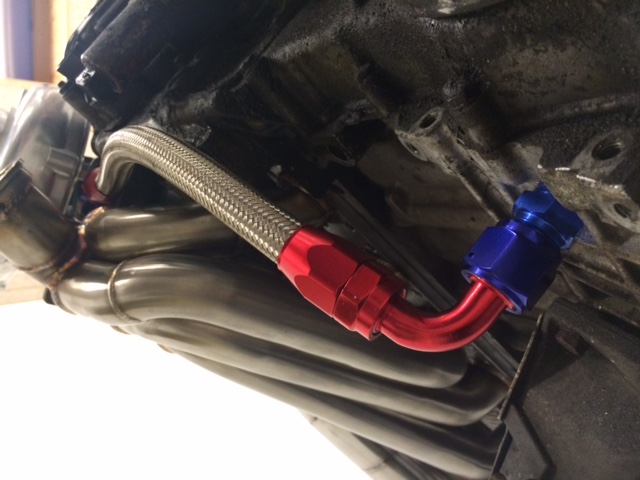
Oil feed taken from oil pressure sender port using adaptor (1/8"-27 NPT to AN4 180° fitting). Use proper tools or tape to avoid damaging fittings.

At turbo use correct nipple + 105° AN4 fitting.

Clearance to hood on E46 is ~3 cm with top-mount setup.
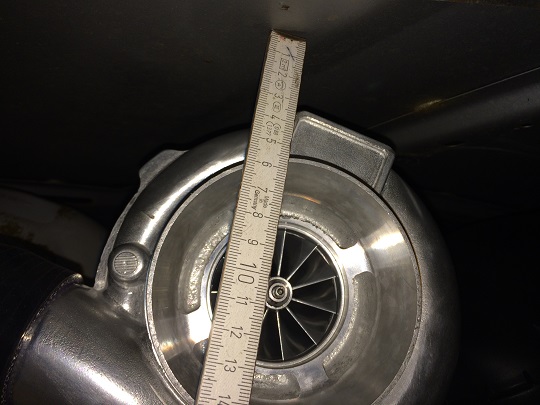
Example: E36 with GT35 turbo, top-mount manifold & 44 mm wastegate (509 hp / 610 Nm dyno).

Another example: E36 M50B32 with T3/T4 turbo & large intake – 0.7 bar, strong mid-range & top-end.




